
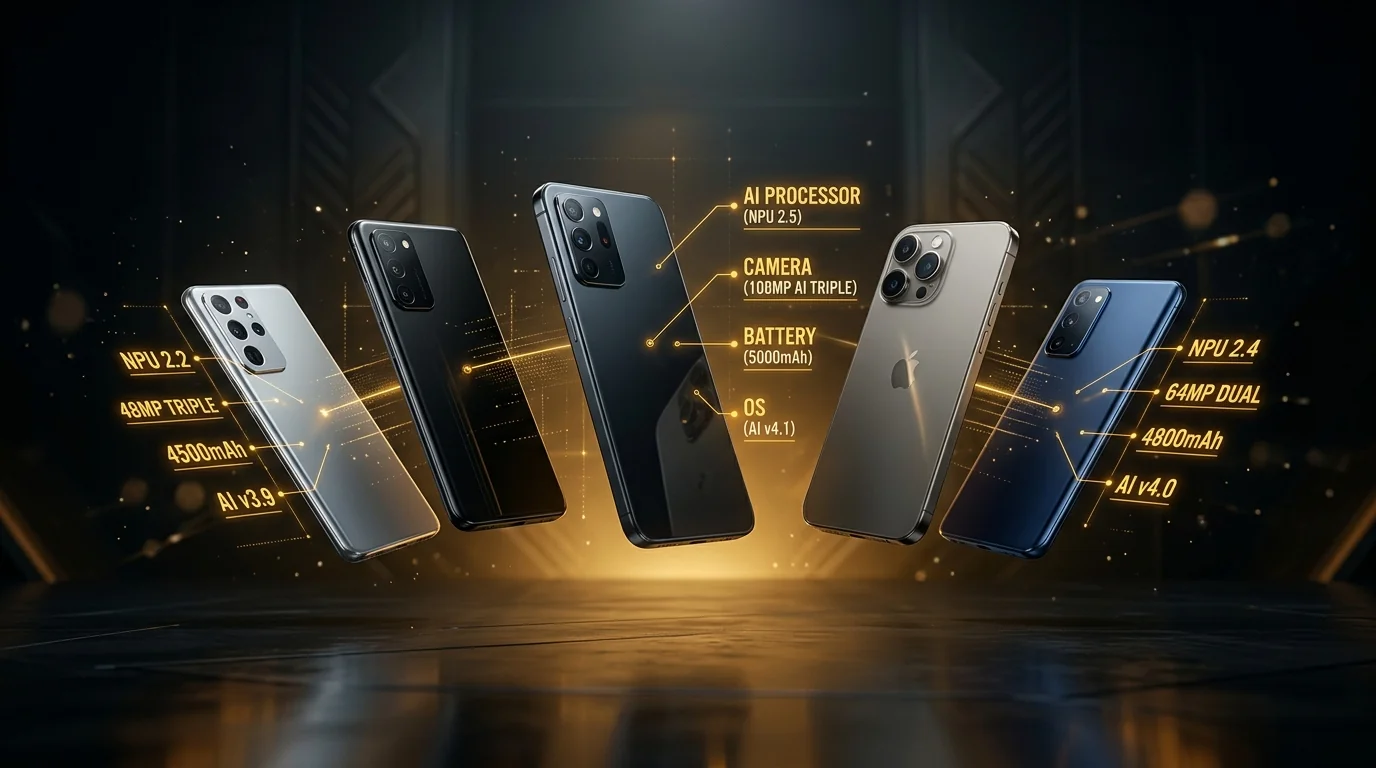
The best AI smartphones in September 2026 are the Pixel 10 Pro XL for on-device intelligence, the Galaxy S26 Ultra for raw NPU power with hardware privacy, and the iPhone 17 Pro Max for Apple Intelligence with Private Cloud Compute. The industry has moved from reactive assistants to proactive agents that parse your email, photos, and calendar directly on the phone.
This guide ranks 7 flagships by the parts that actually matter for AI: NPU and TPU silicon, which models run on-device, how your data is protected, and which health ecosystem each phone unlocks. Every chip claim below comes from aggregate 2026 hardware benchmarks and vendor disclosures, and prices are approximate street prices at the time of writing.
Quick Answer: Which AI phone should you buy?
Match the phone to the intelligence style you want, since no single device wins every category.
- Best on-device AI: Pixel 10 Pro XL with Gemini Nano and Magic Cue running fully on the Tensor G5.
- Best power plus privacy: Galaxy S26 Ultra with the Snapdragon 8 Elite Gen 5, Knox Vault, and the first hardware Privacy Display.
- Best for Apple users: iPhone 17 Pro Max with Apple Intelligence and Private Cloud Compute.
- Best budget pick: Nothing Phone 4a Pro with the Essential Key second-brain capture.
- NPU first, camera second: The Hexagon NPU, Tensor G5 TPU, and A19 Neural Engine decide which AI features run on-device and which get pushed to the cloud.
- Pixel for ambient AI: Magic Cue, Camera Coach, and 100x Pro Res Zoom run locally on the Pixel 10 series with no round trip.
- Samsung for power users: Now Brief, Now Nudge, and system-wide Audio Eraser need the Snapdragon 8 Elite Gen 5 headroom of the S26 family.
- Ecosystem lock is real: Galaxy Watch and Ring, Pixel Watch 4, and Apple Watch Series 11 each keep their best health features inside their own phone family.
Chip figures are approximate aggregates from 2026 benchmarks and vendor disclosures. Prices checked September 2026.
Quick take: In 2026 the operating system behaves as an active participant. It reads across Gmail, Calendar, Messages, and Gallery to surface flights, dinner plans, and photos before you ask, and the phone that does this locally is the phone that does it privately.
1. Phone silicon that decides AI speed
Every 2026 flagship moved AI compute onto dedicated neural hardware. Qualcomm, Apple, and Google all build on TSMC 3nm, but they spend that transistor budget very differently. The table below condenses the three-way split, and the pattern will look familiar if you follow laptop silicon: raw throughput crowns one winner while efficiency and memory design crown another, exactly as our best NPU laptops guide shows for the laptop side.
| Specification | Snapdragon 8 Elite Gen 5 | Apple A19 Pro | Google Tensor G5 |
|---|---|---|---|
| Process | TSMC 3nm (N3P) | TSMC 3nm (N3P) | TSMC 3nm |
| CPU | 8-core Oryon, up to 4.60GHz | 6-core, up to 4.26GHz | 8-core, up to 3.78GHz |
| Neural hardware | Hexagon NPU, fused scalar plus vector plus tensor | 16-core Neural Engine | Custom Google TPU |
| Precision support | INT4, INT8, INT16, FP16 | Proprietary, FP16 | INT8, proprietary |
| Geekbench single / multi (approx.) | 3,831 / 11,525 | 3,608 / 8,810 | 2,344 / 6,503 |
| AI character | Maximum parallel throughput for constant background agents | Sustained efficiency for always-on features in thin bodies | Dedicated diffusion and TPU pipelines for camera and agents |
Approximate aggregates from 2026 hardware benchmarks and vendor architectural disclosures. Scores vary by device thermals and build.
Why precision support matters for local models
The Hexagon NPU fuses scalar, vector, and tensor accelerators into one architecture with a large shared memory pool, which Qualcomm pairs with a claimed 45 percent improvement in AI performance and efficiency per watt. Broad INT4 to FP16 support lets Android flagships run quantized local models and large action models with far less energy draw. If you want the full primer on running models locally, start with our beginner guide to running LLMs locally.
Tensor G5 trades CPU speed for TPU focus
Google moved Tensor G5 to TSMC 3nm for a reported 34 percent CPU uplift and 60 percent more TPU compute tuned for on-device inference. The chip trails on general benchmarks but wins where Pixel features live: Gemini Nano runs natively in the AICore system service at up to 2.6 times the speed of the prior generation, powering more than 20 launch features fully on-device.
2. The 7 best AI smartphones
Ranked by on-device capability, privacy hardware, and how complete each phone feels as an AI daily driver. Prices are approximate US street prices.
1. Google Pixel 10 Pro XL - best on-device AI overall
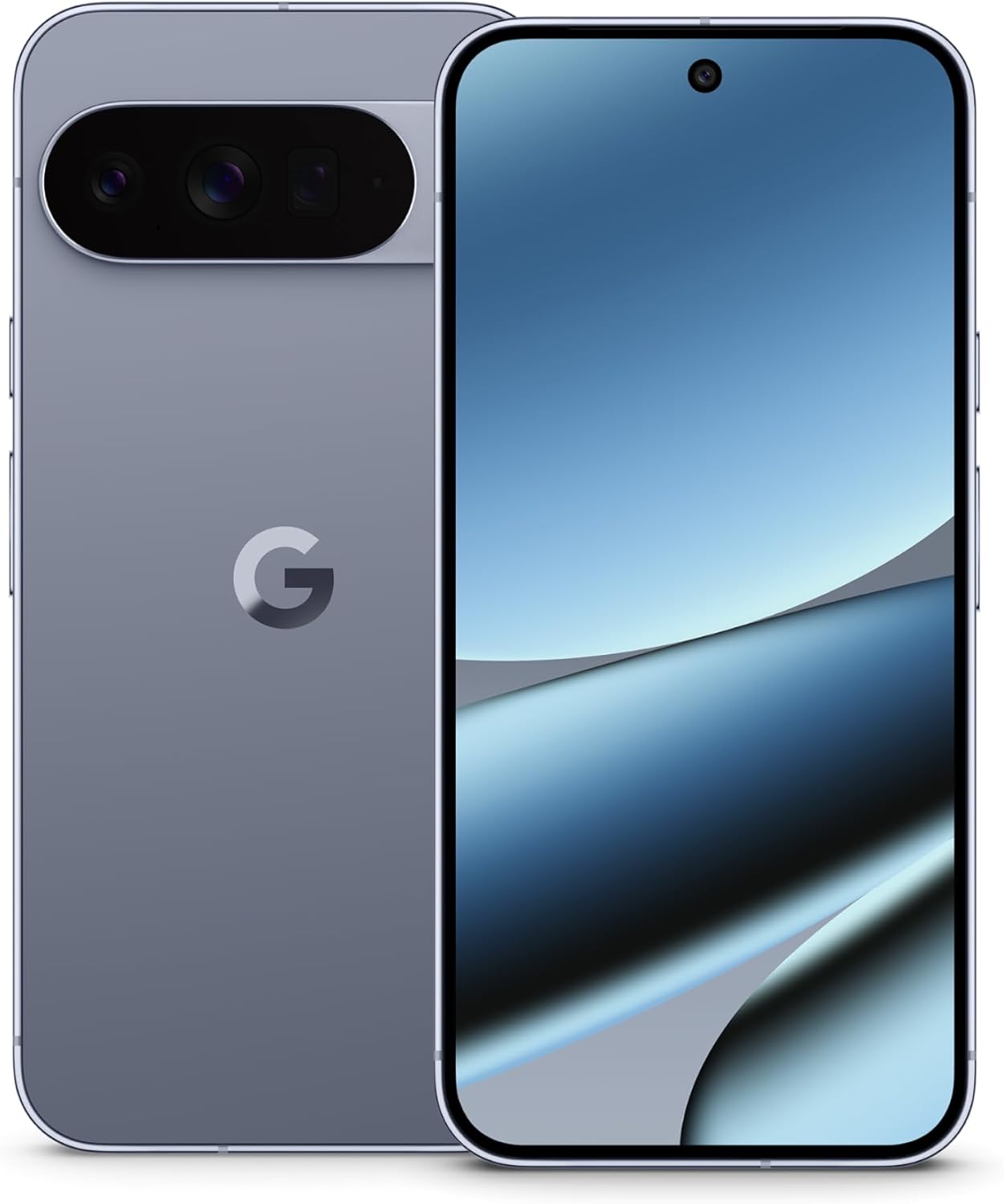
1. Google Pixel 10 Pro XL - Best on-device AI
$963 / Rs. 86,670
Tensor G5 TPU · Gemini Nano in AICore · 100x Pro Res Zoom · C2PA hardware signing
Check Price →Magic Cue is the clearest expression of ambient phone AI in 2026. It parses Gmail, Calendar, and Messages on-device and surfaces flights, reservations, and contacts directly into whatever you are doing, with third-party APIs extending it to WhatsApp and Messenger. Voice Translation preserves your vocal tone through local synthesis, and Call Notes stay on the phone.
Photography is equally local. Camera Coach guides framing in real time, Pro Res Zoom rebuilds distant detail with an on-device diffusion model out to 100x, and Auto Best Take blends up to 150 frames into one group shot. Titan M2 plus Tensor G5 signs every capture with C2PA metadata, the strongest provenance story on any phone here.
2. Samsung Galaxy S26 Plus - best Galaxy AI flagship value

2. Samsung Galaxy S26 Plus - Best Galaxy AI value
$900 / Rs. 81,000
Snapdragon 8 Elite Gen 5 · Now Brief plus Now Nudge · Photo Assist with 100-word prompts
Check Price →The S26 family runs the full Galaxy AI suite: Now Nudge spots dinner plans and vacation photos as they arrive, Now Brief builds morning and evening summaries from mail and notifications on the lock-screen Now Bar, and App Action compresses multi-step routines into single triggers. Photo Assist takes natural language edits up to 100 words, and Audio Eraser now works system-wide across YouTube and Instagram.
Step up to the S26 Ultra for the hardware Privacy Display, which narrows viewing angles per app without stick-on filters, plus maximum Hexagon headroom for the heaviest generative edits. The S25 Ultra and S26 Plus keep near-parity on Live Translate, Note Assist, and Browsing Assist, with only the most demanding features showing extra latency or cloud offloading.
3. Apple iPhone 17 Pro Max - best for the Apple ecosystem

3. Apple iPhone 17 Pro Max - Best Apple Intelligence phone
$1,196 / Rs. 1,07,640 (Renewed)
A19 Pro Neural Engine · Foundation Models API · Private Cloud Compute
Check Price →Apple Intelligence runs through Core ML and the Foundation Models API inside a strict 4,096-token on-device window, which keeps Writing Tools, Image Wand, Smart Reply, and contextual Siri instant with no network trip. The A19 Pro 16-core Neural Engine sustains those background workloads while holding thermals in check.
Anything beyond local capacity goes to Private Cloud Compute: Apple Silicon servers with Secure Enclave identity, measured boot, client-verified attestation, and stateless execution that wipes your data the moment inference finishes. Pair it with the Apple Watch Series 11 for ECG plus FDA-cleared sleep apnea and hypertension alerts.
4. Samsung Galaxy Z Fold7 - best foldable for AI multitasking

4. Samsung Galaxy Z Fold7 - Best AI foldable
$1,648 / Rs. 1,48,320
8.0-inch display · AI Results View · S Pen Drawing Assist · IP48
Check Price →The 8.0-inch canvas changes how generative output feels. AI Results View renders answers in a dedicated split window so source documents stay visible, Note Assist summarizes side by side, and Drawing Assist turns S Pen sketches into polished vector graphics with drag and drop across windows.
This is the most expensive pick by a wide margin, so buy it for the multitasking form factor first and Galaxy AI second. If the fold is not essential, the S26 Plus above delivers nearly the same intelligence for roughly half the price.
5. Motorola Razr 70 Ultra - best flip phone cover-screen AI

5. Motorola Razr 70 Ultra - Best flip AI
$800 / Rs. 72,000
4.0-inch 165Hz QuickView display · Moto AI Memory vault · 5000mAh battery
Check Price →Moto AI is built around the closed phone. Catch Me Up summarizes missed notifications and group chats on the cover screen, Remember This files screenshots and voice notes into a searchable Memory vault, and Pay Attention transcribes live conversations into Moto Notes. Look and Talk starts listening when you glance at the folded phone in tent mode.
The 50MP camera with Action Shot and Group Shot covers the essentials, but computational photography trails Pixel and Samsung flagships. Buy the Razr for one-handed triage and memory offloading, not for generative camera work.
6. Nothing Phone 4a Pro - best budget AI phone

6. Nothing Phone 4a Pro - Best budget AI
$599 / Rs. 53,910
Essential Key hardware button · Essential Space second brain · Smart collections
Check Price →The Essential Key is the smartest budget AI idea of 2026. One press captures the screen with a note or voice memo, a long hold transcribes ambient audio, and Essential Space extracts dates, action items, and locations into calendar events and reminders automatically. Smart collections plus natural language search turn screenshot chaos into a usable second brain.
Nothing skips the generative art race to focus on daily organization, which keeps the price near $599. Power users who want local LLMs or 100x zoom should look at the Pixel 10 instead.
7. Google Pixel 10 - best value Pixel AI
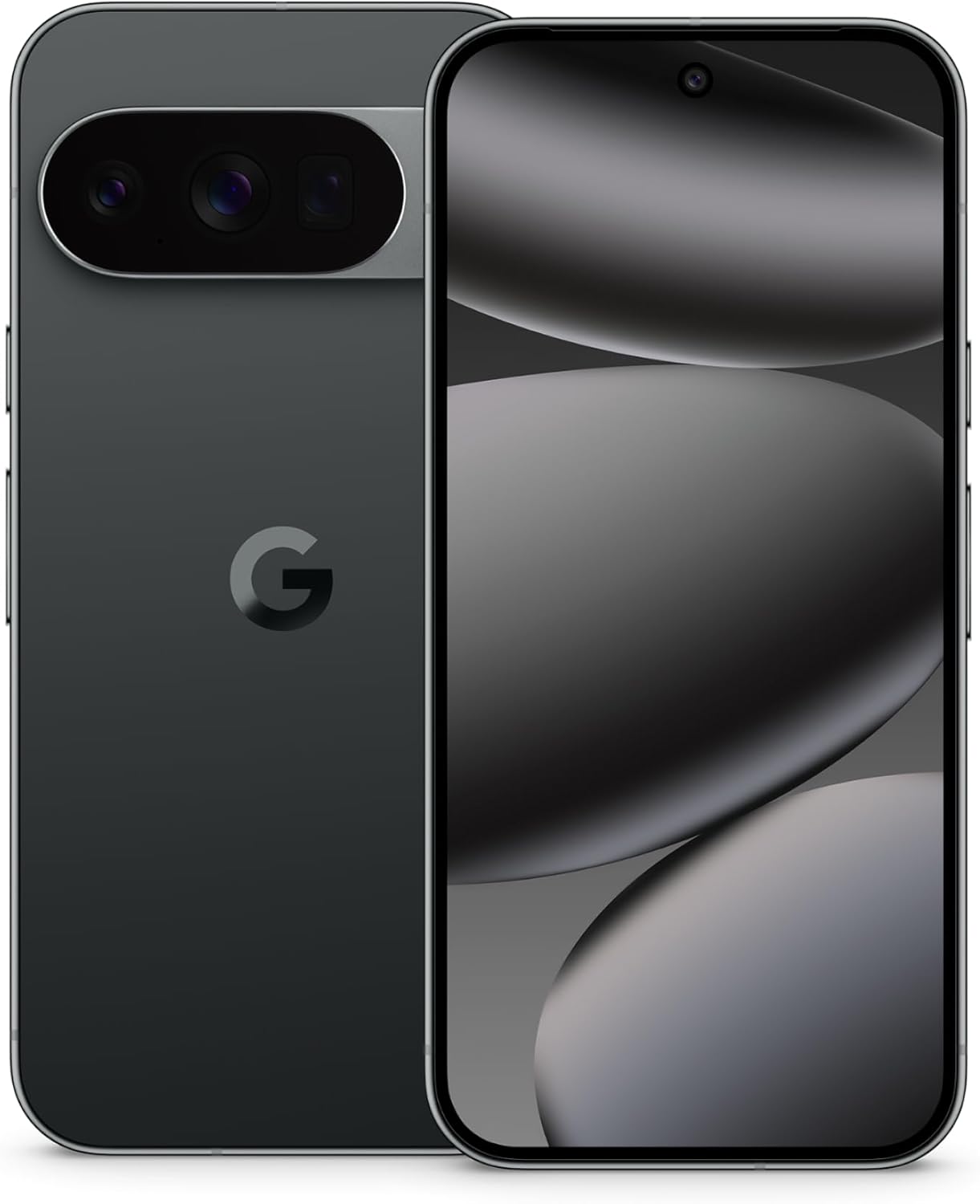
7. Google Pixel 10 - Best value on-device AI
$915 / Rs. 82,350
Tensor G5 TPU · Magic Cue · 5x telephoto · Same AICore stack as Pro
Check Price →The standard Pixel 10 runs the same AICore and Gemini Nano stack as its Pro siblings, so Magic Cue, Voice Translation, Call Notes, and Camera Coach all behave identically. You give up the Pro zoom range, 1TB option, and some ISP headroom, not the intelligence.
Also worth a look: the iPhone Air for an ultra-thin Apple Intelligence body, the Galaxy Z Flip7 for Gemini on the FlexWindow cover screen, and the base Galaxy S26 if carrier pricing undercuts the Plus.
3. Spec and price comparison tables
Two tables to decide fast: intelligence character first, then street pricing with direct links.
Table 1: On-device AI character
| Phone | Chip and neural hardware | Signature on-device feature | Privacy model |
|---|---|---|---|
| Pixel 10 Pro XL | Tensor G5 TPU, AICore | Magic Cue agentic surfacing, 100x Pro Res Zoom | Titan M2 plus C2PA hardware signing |
| Galaxy S26 Plus / Ultra | Snapdragon 8 Elite Gen 5, Hexagon NPU | Now Brief, Now Nudge, system-wide Audio Eraser | Knox Vault, Ultra adds Privacy Display |
| iPhone 17 Pro Max | A19 Pro, 16-core Neural Engine | Writing Tools, Image Wand, contextual Siri | Secure Enclave plus Private Cloud Compute |
| Galaxy Z Fold7 | Snapdragon 8 Elite Gen 5 | AI Results View split-window multitasking | Knox Vault |
| Razr 70 Ultra | Snapdragon 8 Elite, Moto AI | Memory vault, Catch Me Up cover summaries | On-device Memory vault |
| Nothing Phone 4a Pro | Mid-tier with Essential Space | Essential Key capture and auto-organization | Local-first collections |
| Pixel 10 | Tensor G5 TPU, AICore | Same Magic Cue stack as Pro | Titan M2 plus C2PA hardware signing |
Feature availability varies by region and carrier build. Cloud fallback applies on older NPUs.
Table 2: Pricing and who each phone suits
| Product | Approx. US price | Best for |
|---|---|---|
| Pixel 10 Pro XL | ~$963 | Maximum on-device AI and camera provenance |
| Galaxy S26 Plus | ~$900 | Full Galaxy AI at a saner price than Ultra |
| iPhone 17 Pro Max | ~$1,196 renewed | Apple Intelligence plus Watch health stack |
| Galaxy Z Fold7 | ~$1,648 | Split-screen AI research and S Pen work |
| Razr 70 Ultra | ~$800 | Cover-screen triage and memory capture |
| Nothing Phone 4a Pro | ~$599 | Budget second-brain organization |
| Pixel 10 | ~$915 | Same Pixel intelligence for less |
| iPhone Air | ~$800 renewed | Thin and light Apple Intelligence |
| Galaxy Z Flip7 | ~$650 | Gemini voice actions without opening the phone |
| Galaxy S26 | ~$1,300 | Compact Galaxy AI flagship when discounted |
4. Phone and health ecosystem pairing
Phones are only half of the 2026 health story. The other half lives on wrists and fingers, and every pairing in this section comes from current device behavior: advanced watch and ring features stay inside their own phone family, so your handset choice locks your health stack.
Samsung phones pair with Galaxy Watch 8 and Galaxy Ring
The Galaxy Watch 8 adds Vascular Load from sleep pulse-wave data, an Antioxidant Index from skin carotenoids, and an AGEs metabolic-aging index, with FDA De Novo clearance for sleep apnea detection at 82.7 percent sensitivity in a 620-person study. The Galaxy Ring counters with 5 to 7 days of battery, an Energy Score from sleep and HRV baselines, and an expected first-ever FDA clearance for ring-based sleep apnea screening. Our health smartwatch guide and smart ring comparison cover both in depth.
Pixel phones pair with the Pixel Watch 4
The Pixel Watch 4 combines a 3000-nit Actua 360 display, Snapdragon W5 Gen 2, and dual-frequency GPS with the Gemini AI Health Coach for adaptive training, sleep, and nutrition plans. Sleep staging accuracy is up a reported 18 percent. Ring wearers get the cleanest resting HRV and temperature baselines from the finger, which is exactly why the ring plus watch stack keeps winning in our testing notes.
iPhones pair with the Apple Watch Series 11
The Series 11 brings FDA-cleared sleep apnea notifications from a 1,448-subject trial and FDA-approved hypertension alerts from 30-day pulse-wave analysis, plus ECG and crash detection. The tradeoff is a 24-hour battery that forces a daily charging decision: charge overnight and lose sleep architecture, or charge by day and lose training load. A ring fills the overnight gap, which is the core argument of the multi-device stack.
5. Privacy hardware and photo provenance
Proactive AI reads your most sensitive data to work at all, so 2026 flagships answer with physical security, not promises.
Samsung Knox and the Privacy Display
Samsung encrypts each app data store with Knox Enhanced Encrypted Protection and isolates keys, biometrics, and AI parameters inside the Knox Vault, a tamper-resistant hardware enclave that stays sealed even if the OS is compromised. The S26 Ultra adds the industry first built-in Privacy Display, which steers pixel light so bystanders see an opaque screen while you see full clarity, toggled per app for banking or documents.
Apple Private Cloud Compute attestation
When a request exceeds the 4,096-token local window, the iPhone checks the server attestation against a public transparency ledger, sends the payload end to end encrypted, receives the answer, and the node wipes itself. Independent researchers can audit exact server binaries in a virtual research environment, and the bounty ceiling of 1,000,000 dollars keeps pressure on. For the agent-protocol side of this story, see our MCP protocol explainer and autonomous agents guide.
C2PA provenance on Pixel
Google signs captures in hardware with Titan M2 and the Tensor G5 under the C2PA standard, so authenticity metadata survives offline edits and reshares. As generative zoom and Best Take composites go mainstream, that signed record is what separates a real photo from a convincing composite.
6. Which phone should you buy
- Want the smartest assistant behavior: Pixel 10 Pro XL, or the standard Pixel 10 to save money with the same AI stack.
- Want maximum power with privacy hardware: Galaxy S26 Ultra; take the S26 Plus if the Privacy Display is not worth the premium to you.
- Live inside Apple apps and Watch health: iPhone 17 Pro Max, or iPhone Air for a thinner body with the same intelligence.
- Work across documents and sketches: Galaxy Z Fold7 for the 8-inch split-view AI workspace.
- Want a flip that triages life closed: Razr 70 Ultra for Memory vault summaries, Z Flip7 for Gemini FlexWindow voice actions.
- Want AI organization under $650: Nothing Phone 4a Pro, no contest at this price.
- Track health seriously: Pick the phone that matches the watch or ring you want first, then the handset second. If a bigger screen is part of the plan, our best AI tablets guide covers the companion slab for each ecosystem.
7. Frequently Asked Questions
Sources: Counterpoint Research on Pixel 10 and Snapdragon 8 Elite Gen 5 (2026), Samsung Newsroom Galaxy S26 series, Apple Security Research on Private Cloud Compute, Google blog on Tensor G5 and Pixel camera features, Bloomberg on wearable AI health data (Jan 2026). — Himansh, TheAITechPulse
